News
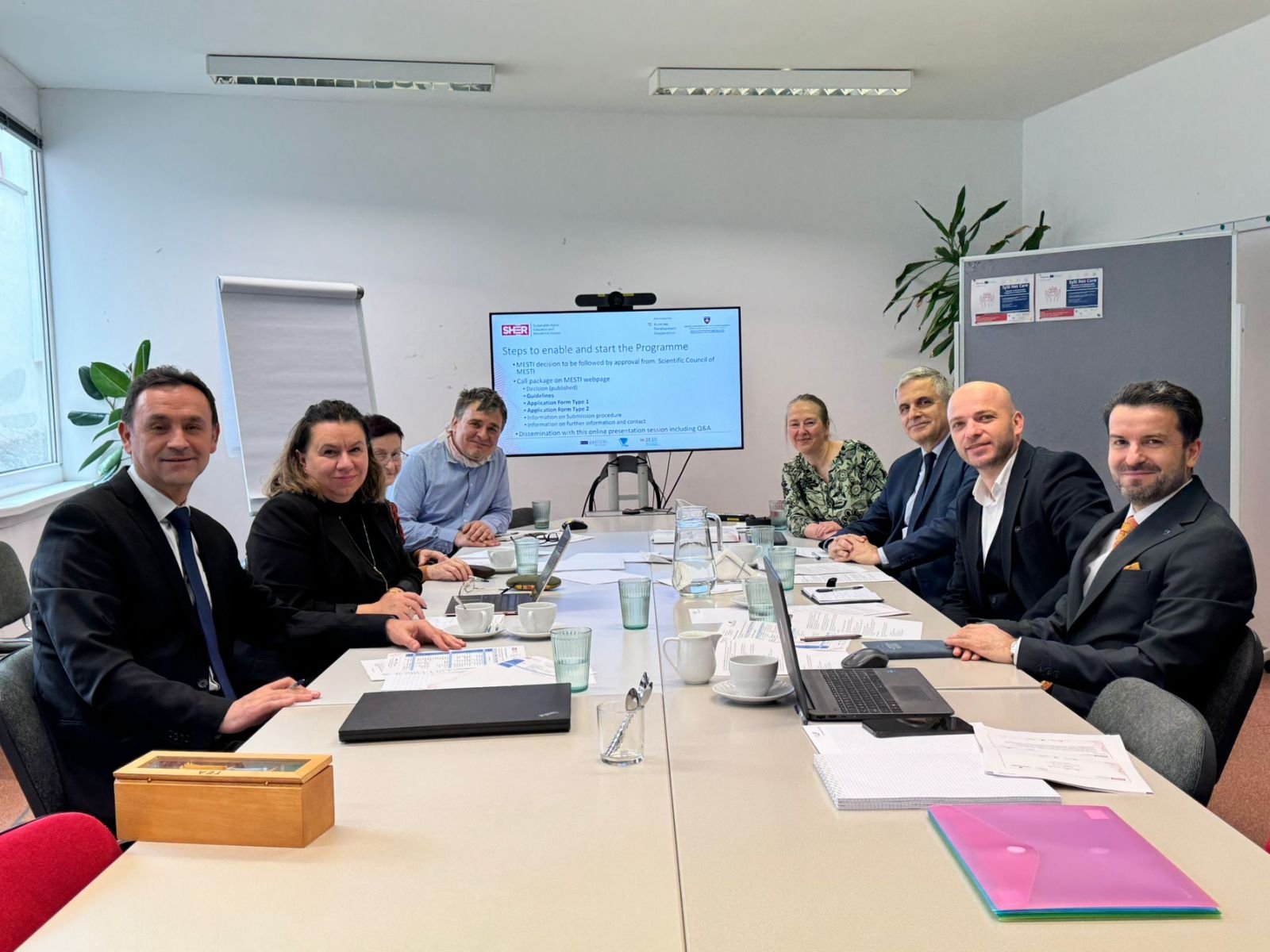
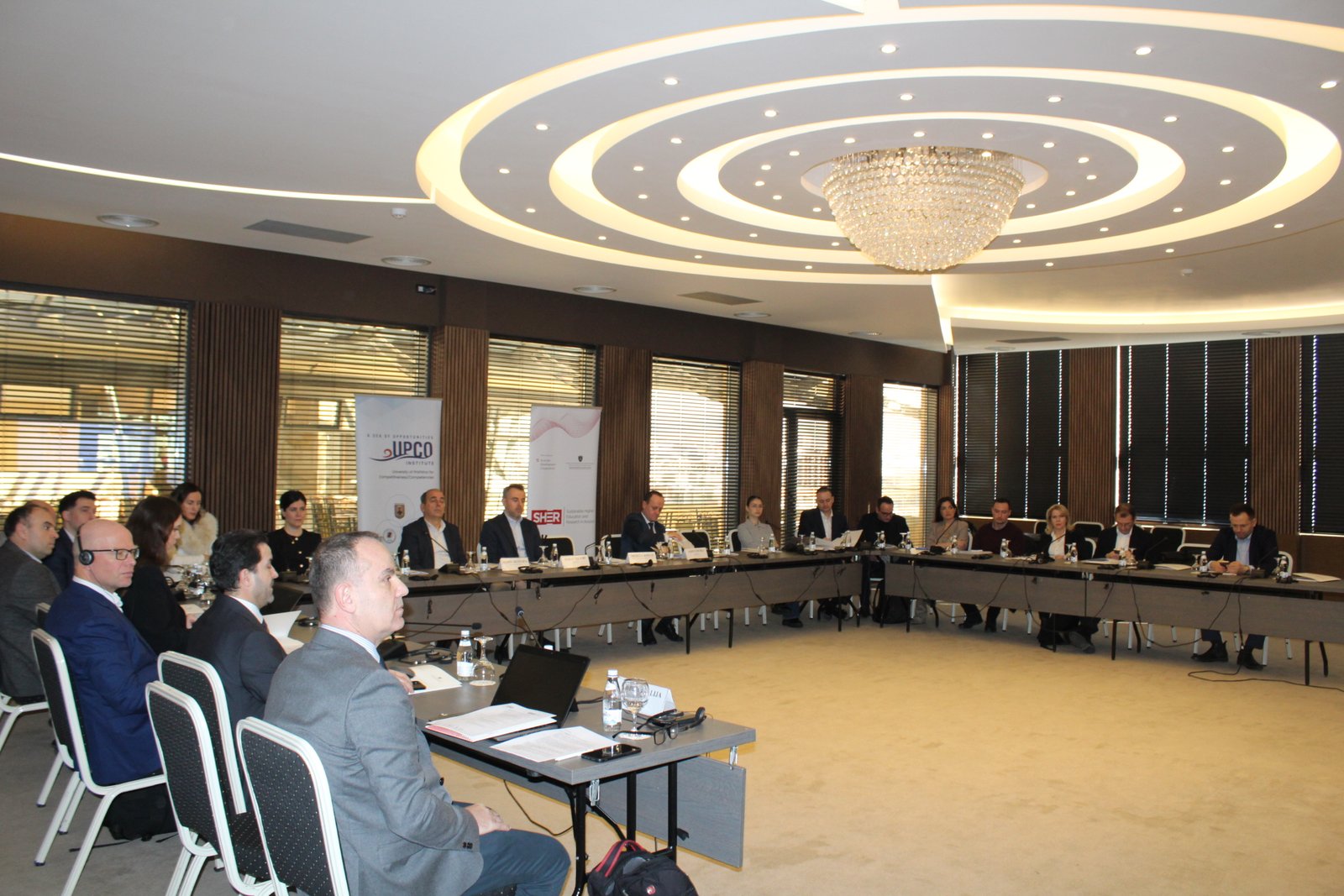
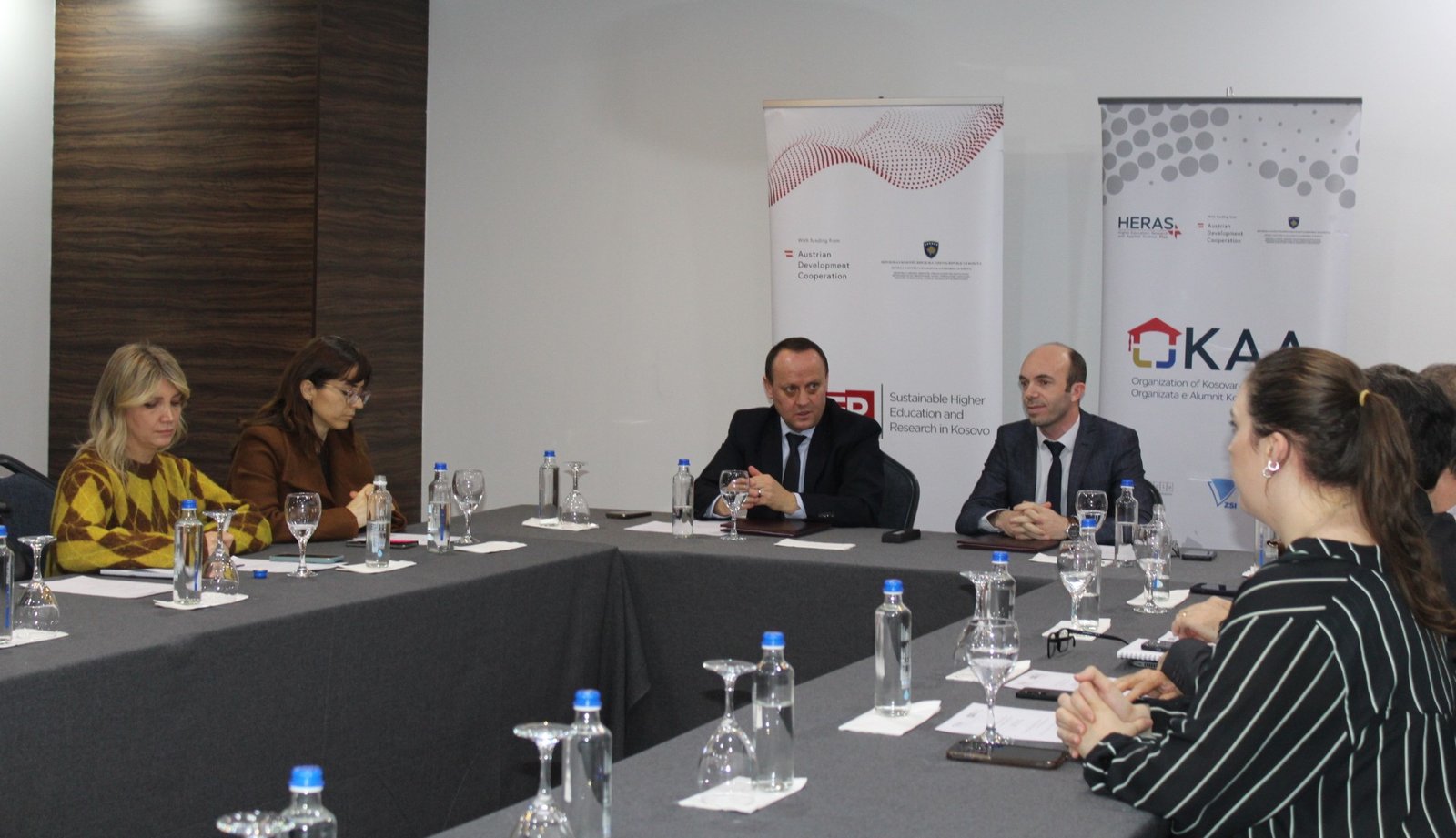
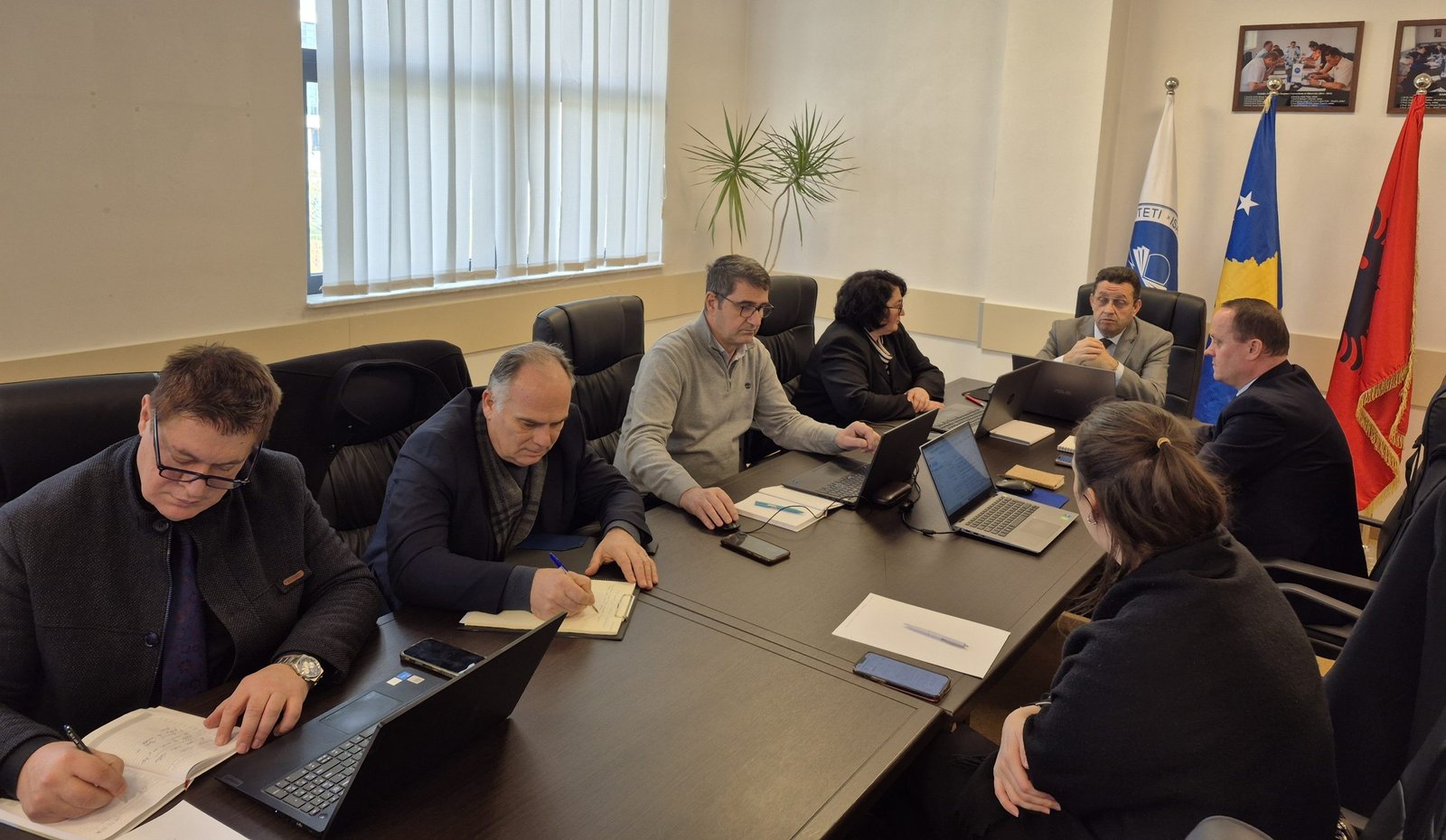
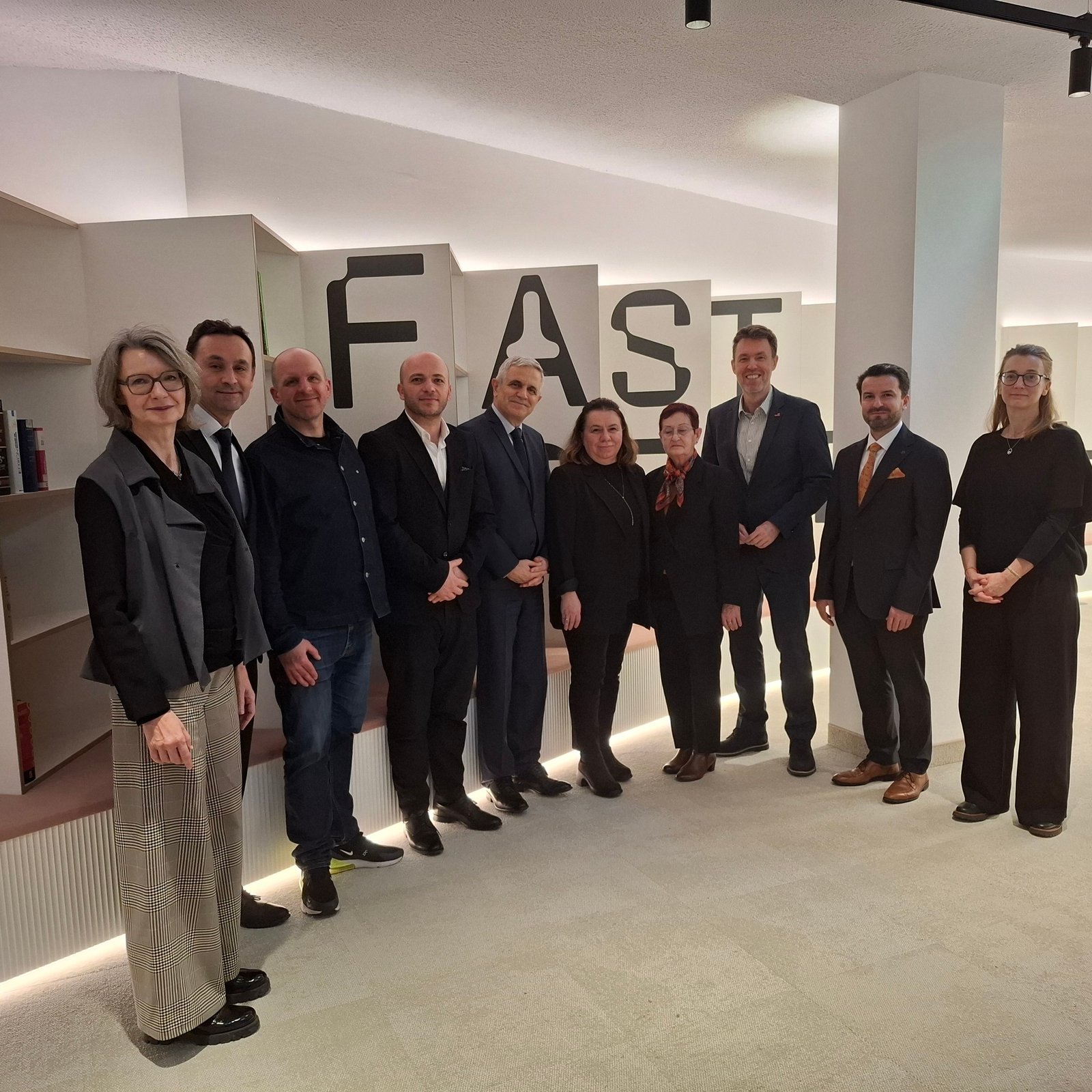
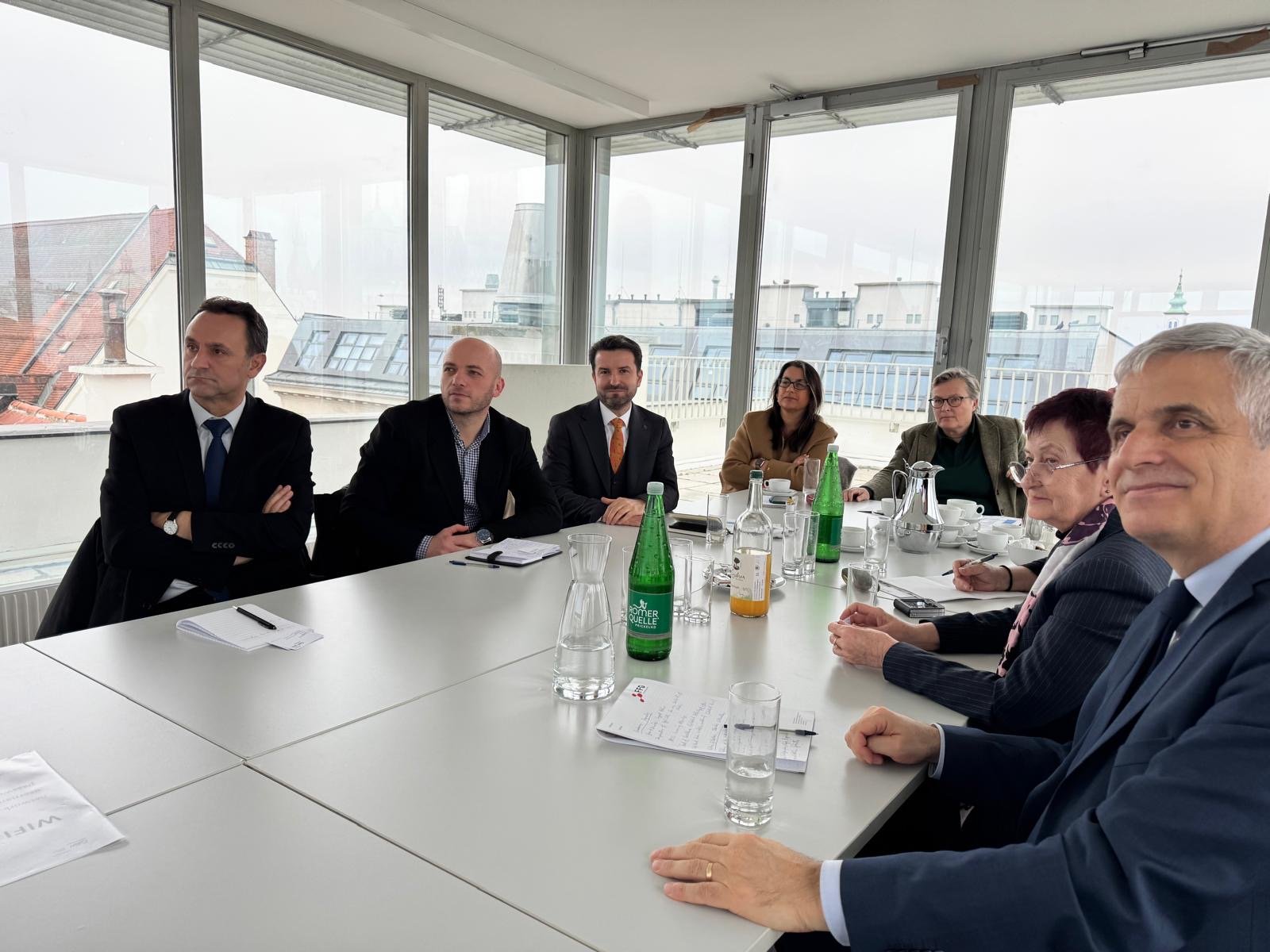
From 08 to 11 February 2026, the SHER Programme supported representatives of Ministry of Education, Science, Technology and Innovation (MESTI) and the National Science Council (NSC) during a study visit to Vienna, Austria, in support of the implementation of the National Research Programme (NRP). The visit was organized within SHER’s support with an aim of contributing to the further conceptualization and operational design of the proposed Start-Up and Spin-Off Fund and the Diaspora4Science funding instrument.
The study visit aimed to provide first-hand insights into Austria’s research and innovation ecosystem, with a focus on mechanisms that support knowledge transfer, academic entrepreneurship, spin-off creation, and university–industry collaboration. The visit was facilitated and coordinated by the Centre for Social Innovation (ZSI), member of the SHER implementing consortium, which organized the institutional meetings and structured the exchange with Austrian counterparts.
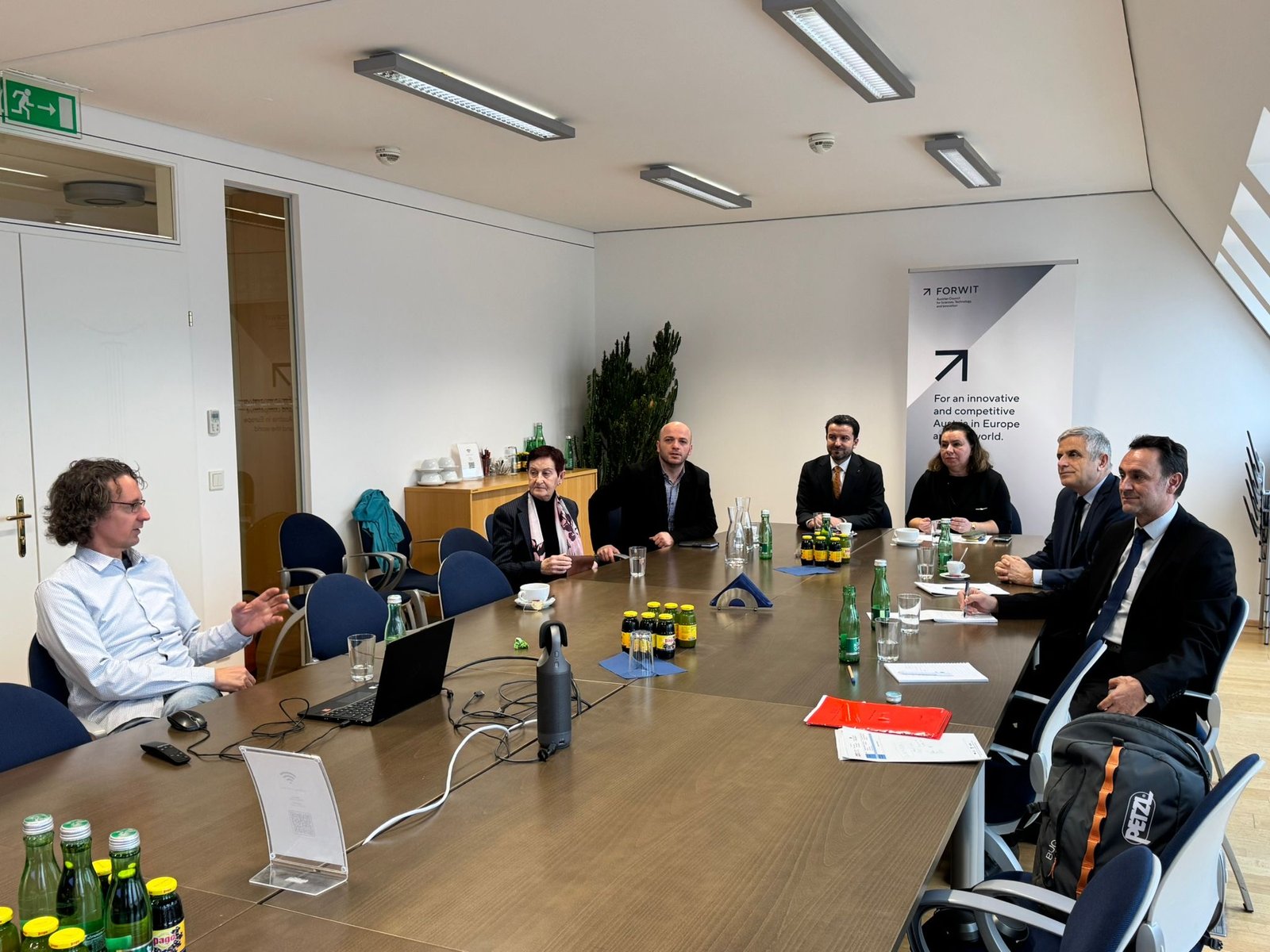
During the three-day visit, the delegation held meetings with several key Austrian institutions representing different functions within the research and innovation system. At the Austrian Research Promotion Agency (FFG), discussions focused on the design and implementation of innovation funding instruments, including spin-off fellowships and start-up support schemes that bridge the gap between research and market application. The meeting with the Austrian Council for Research, Science, Innovation and Technology Development (FORWIT) provided insights into strategic advisory processes, internationalization policies, and the role of independent councils in shaping national research priorities.
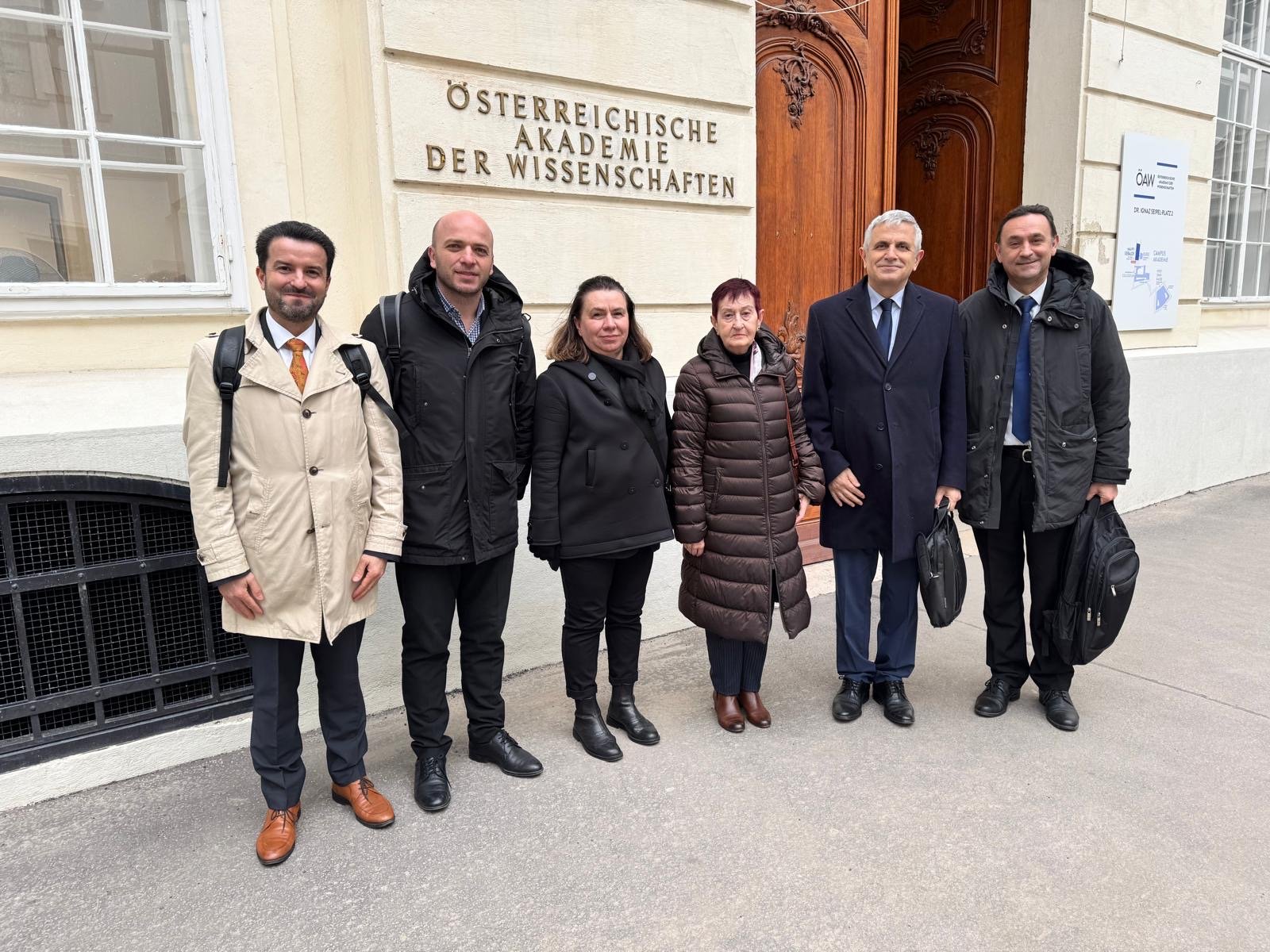
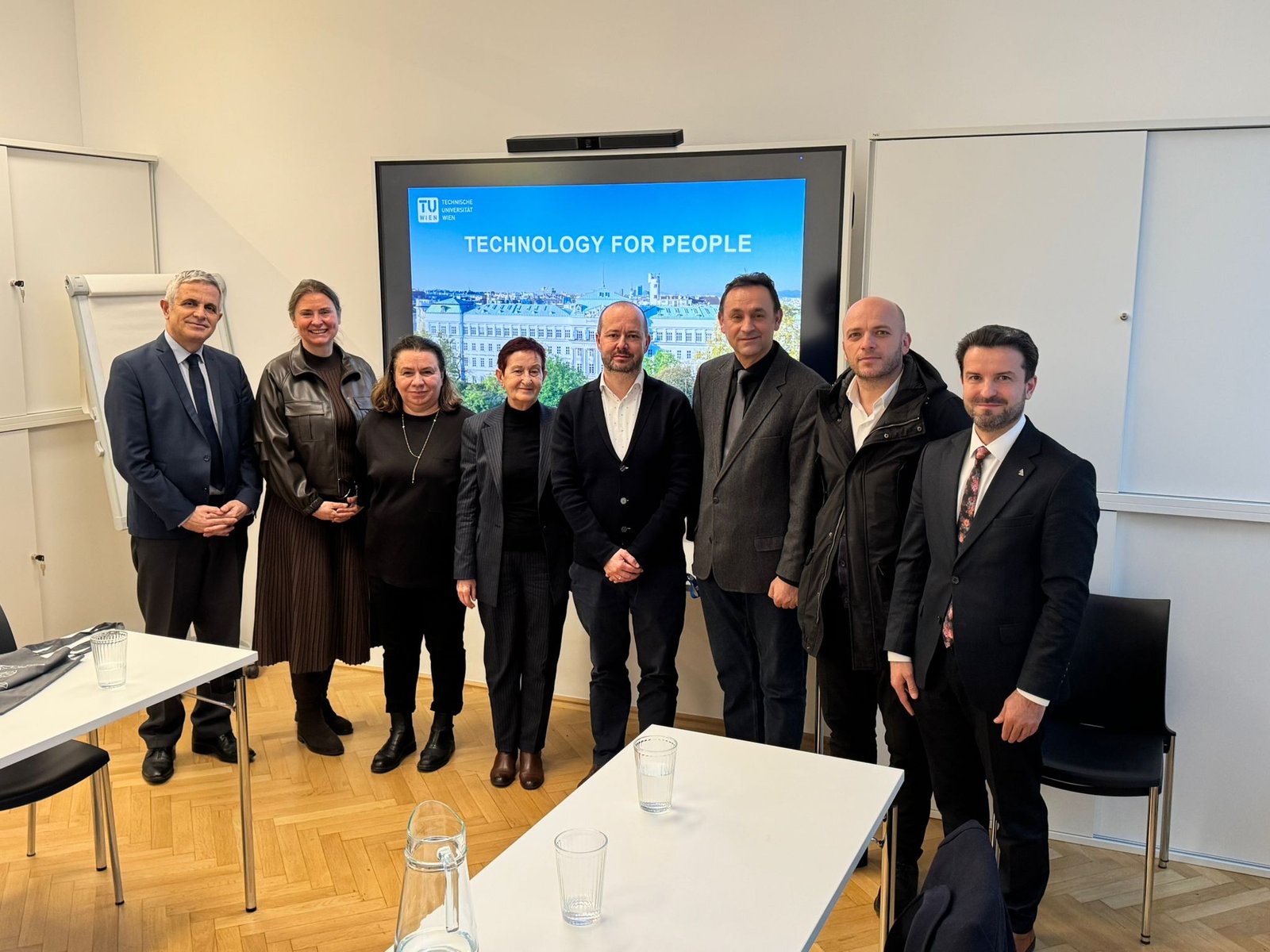
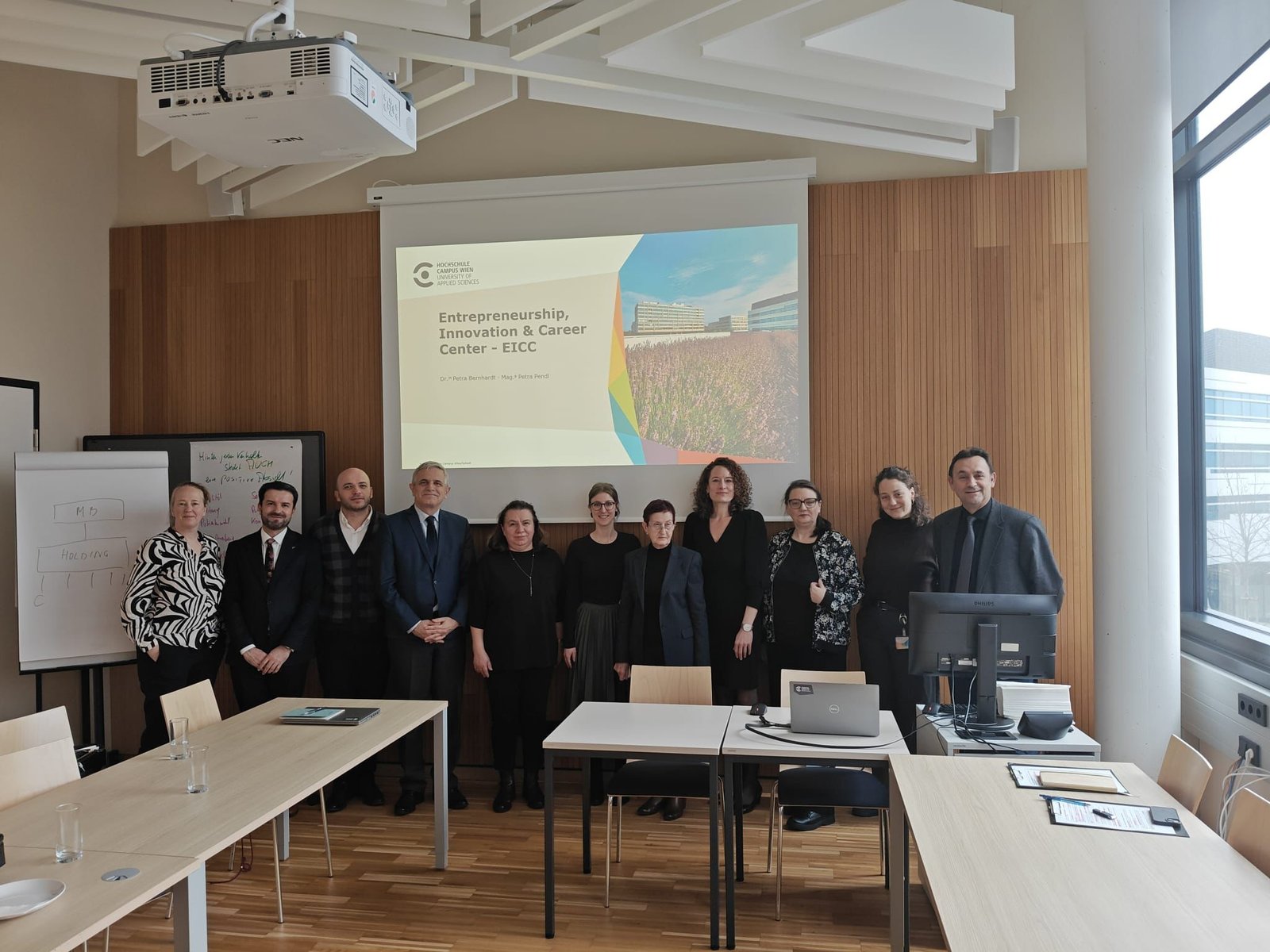
At the Austrian Academy of Sciences (ÖAW), the delegation explored institutional approaches to research funding, fellowship schemes, and innovation support structures. Particular attention was given to the work of the Knowledge Transfer Office (KTO), including intellectual property management, patent portfolio development, licensing processes, and structured support for spin-off creation. Further exchanges at Hochschule Campus Wien and at the Technical University of Vienna offered practical examples of how universities embed entrepreneurship support, incubation services, and applied research collaboration within their institutional strategies.
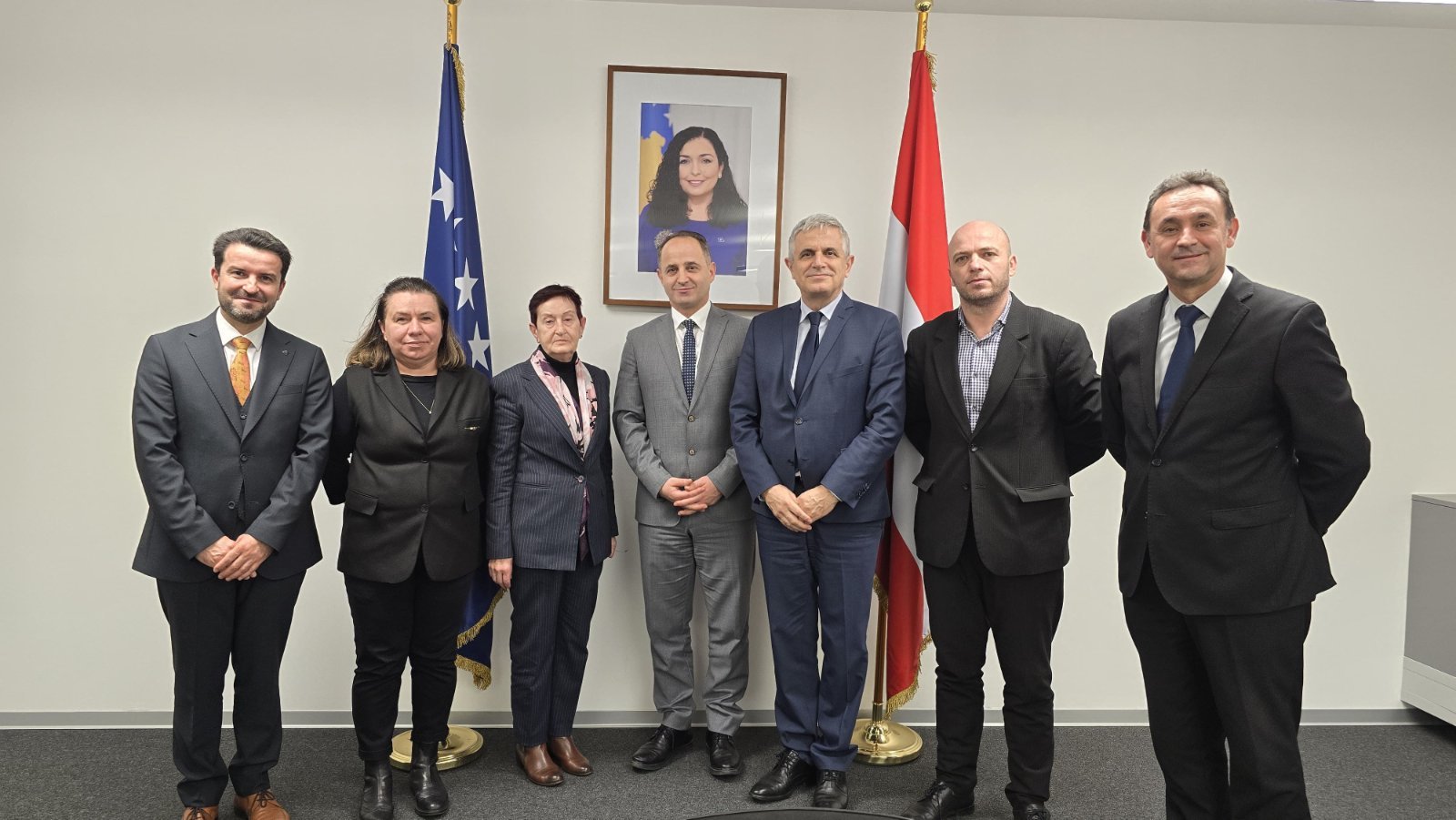
In addition, the delegation was received by the Embassy of the Republic of Kosovo in Vienna. Discussions during this meeting focused on strengthening structured engagement with Kosovo’s academic and scientific diaspora and exploring potential science diplomacy mechanisms that could support the future implementation of Diaspora4Science.

The programme “Sustainable Higher Education and Research in Kosovo (SHER)” aims at contributing to a sustainable, evidence-based, needs-oriented and gender-responsive Higher Education and Research sector in Kosovo