News
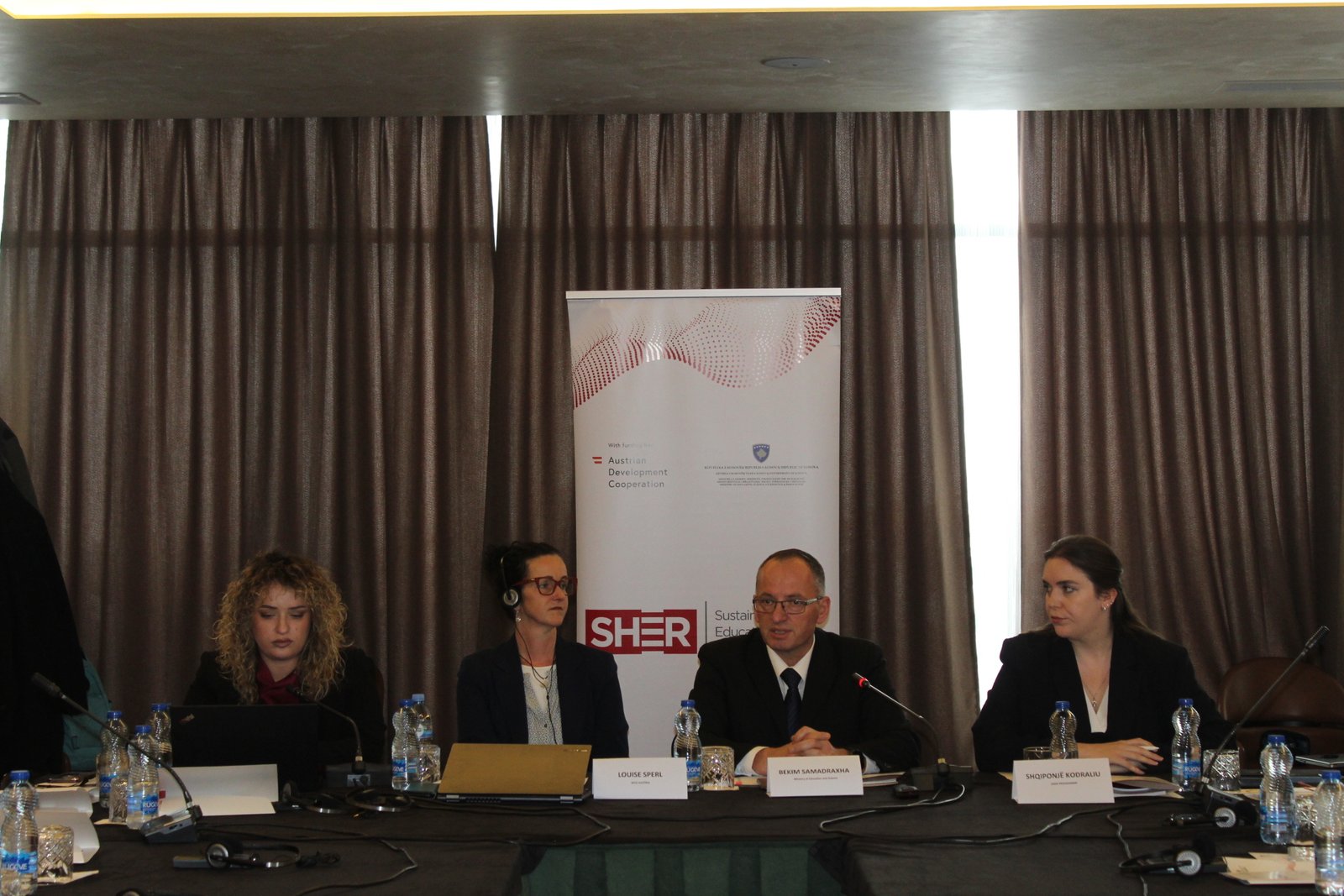
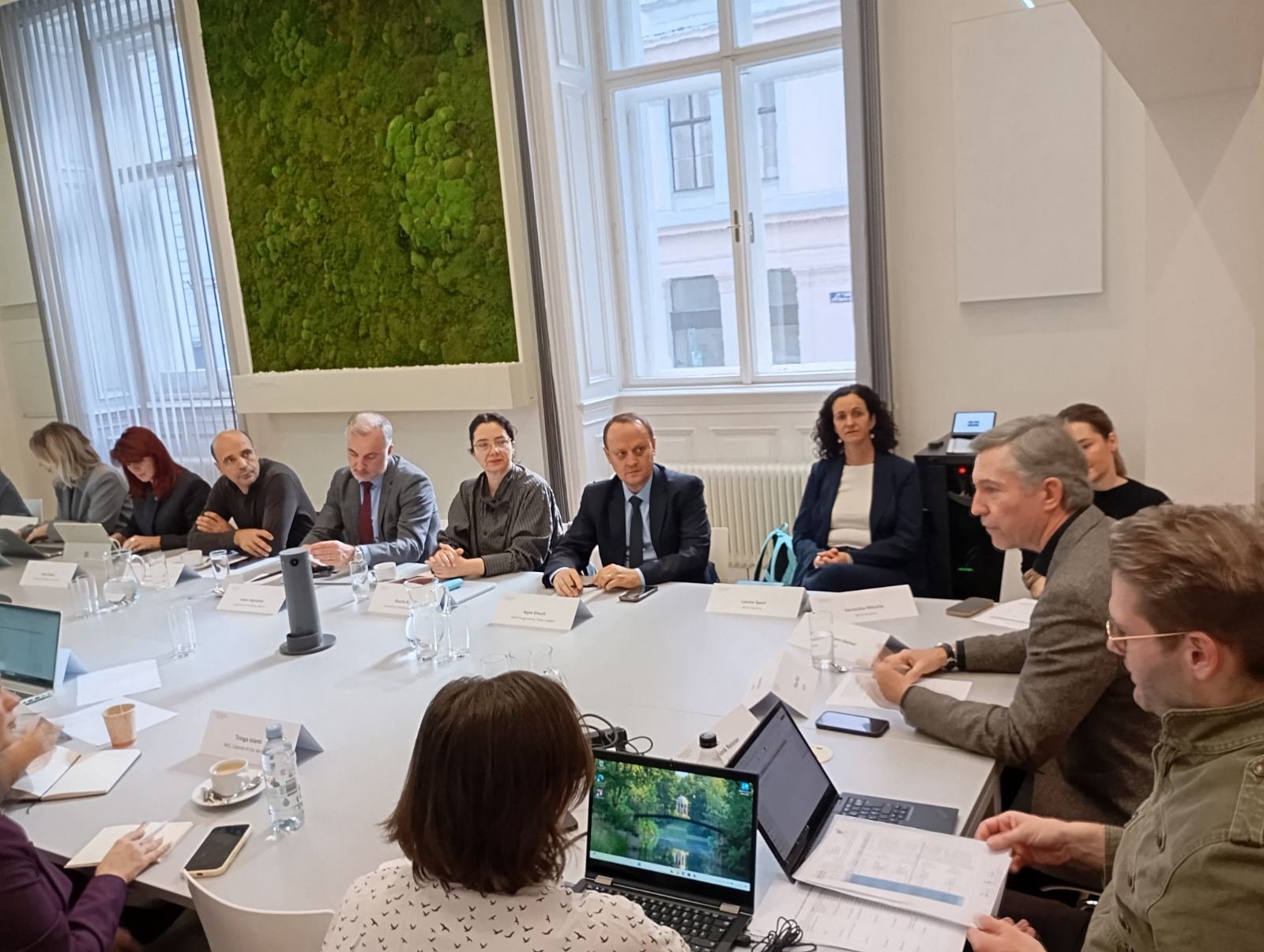
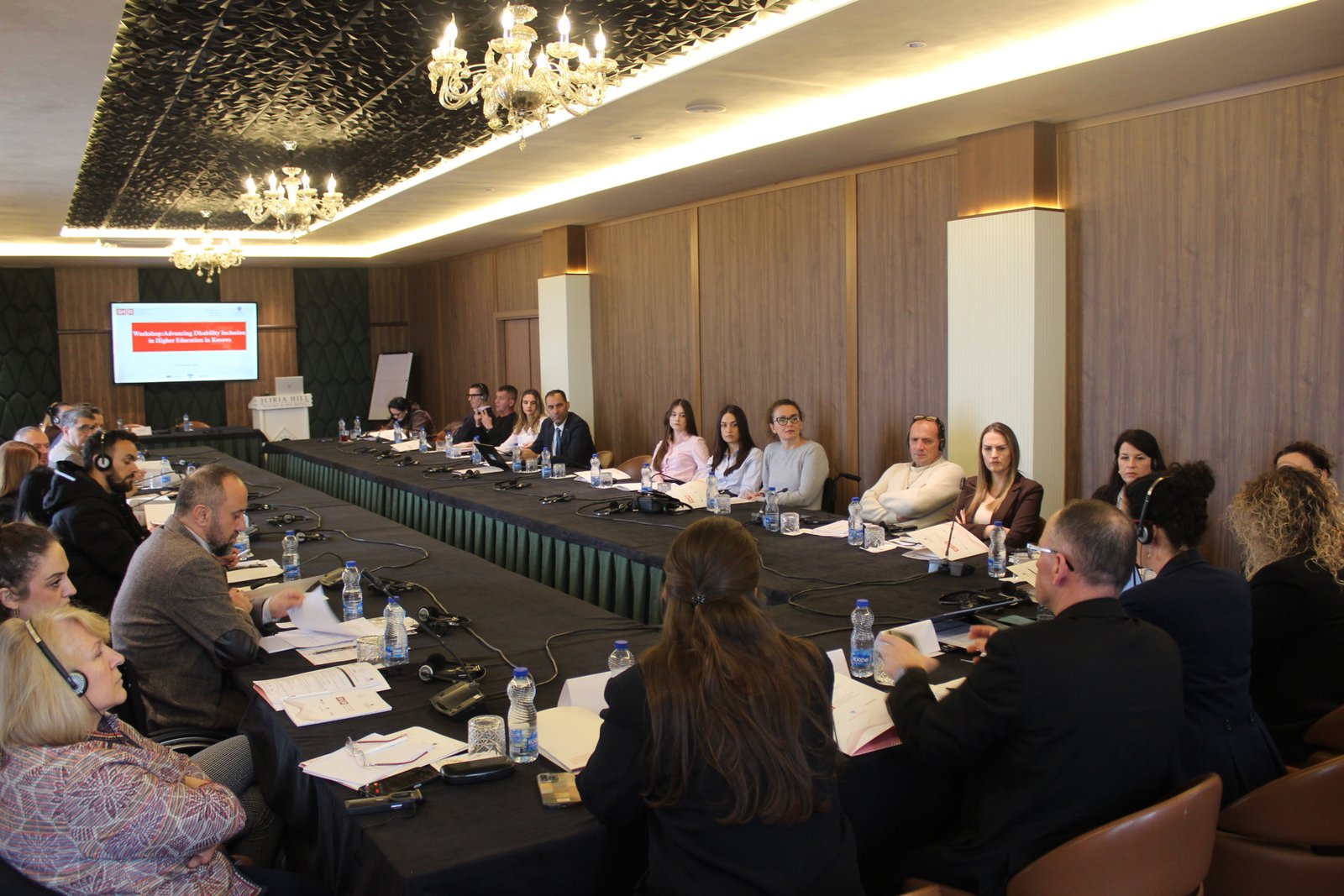
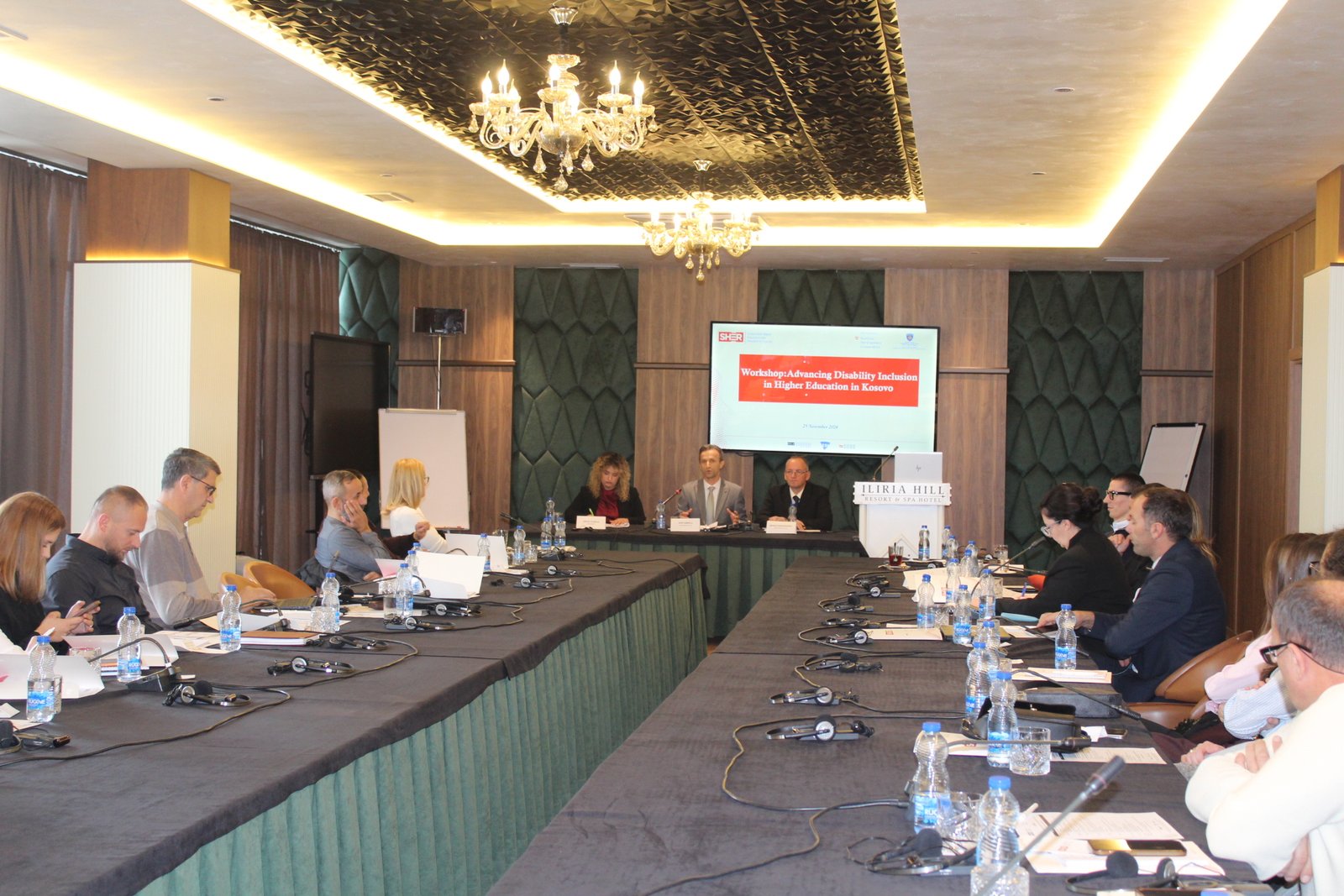
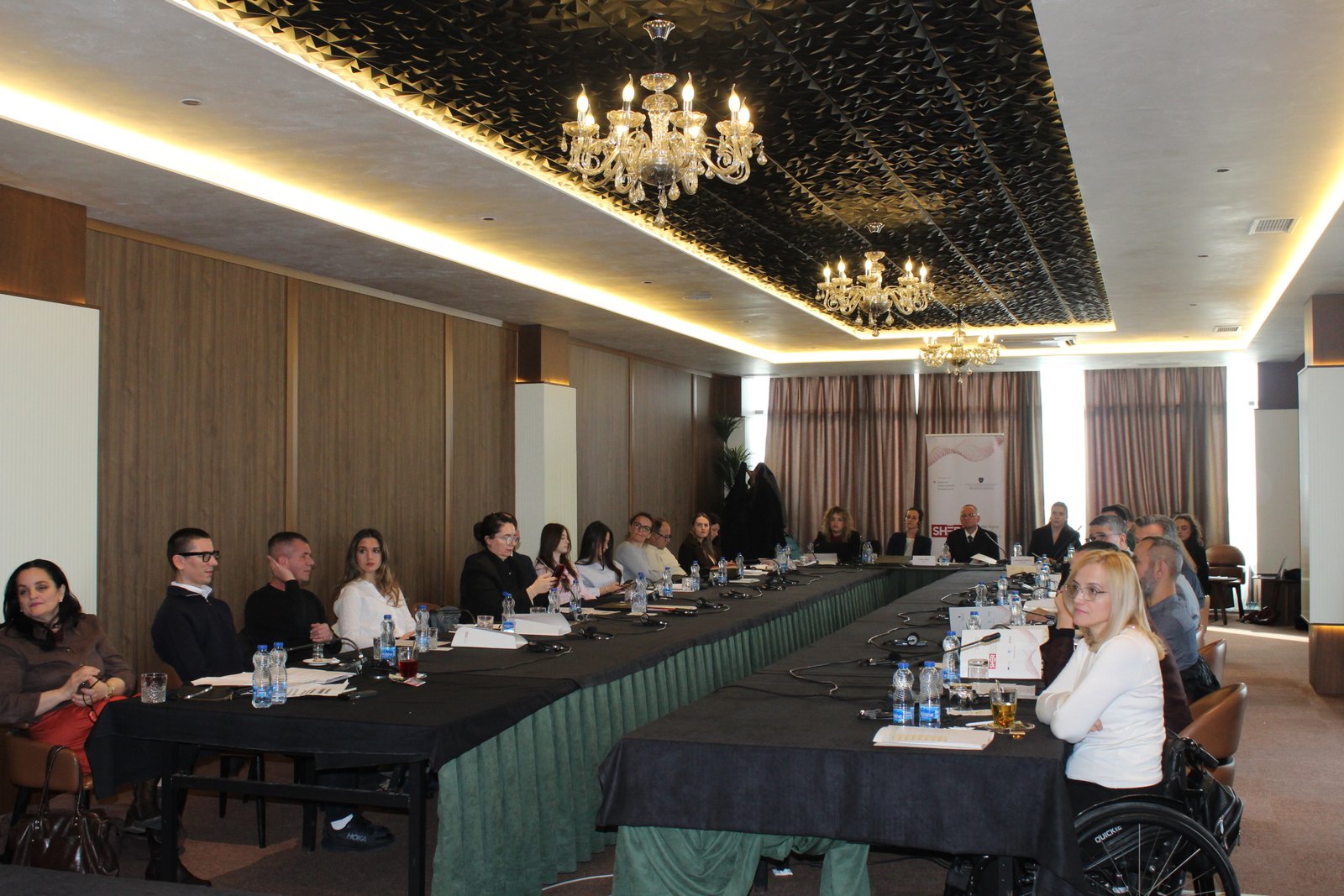
On 25 November 2026, the SHER Programme organised the workshop “Advancing Disability Inclusion in Higher Education in Kosovo.” The event brought together representatives of the Ministry of Education and Science (MES), the Ombudsperson Institution, higher education institutions, HANDIKOS, civil society organisations and students to discuss the current challenges, institutional responsibilities and opportunities for advancing disability inclusion in Kosovo’s higher education sector.
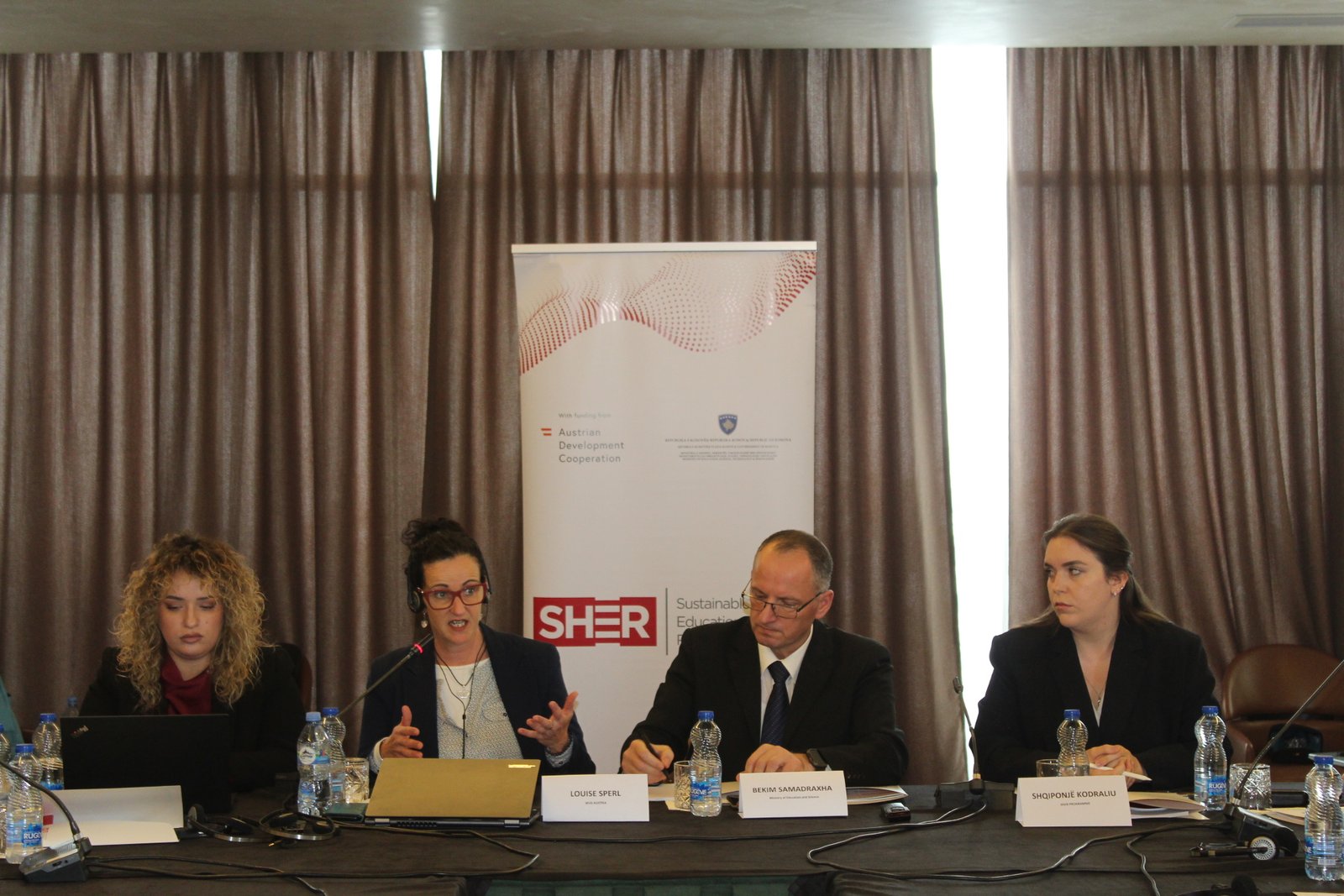
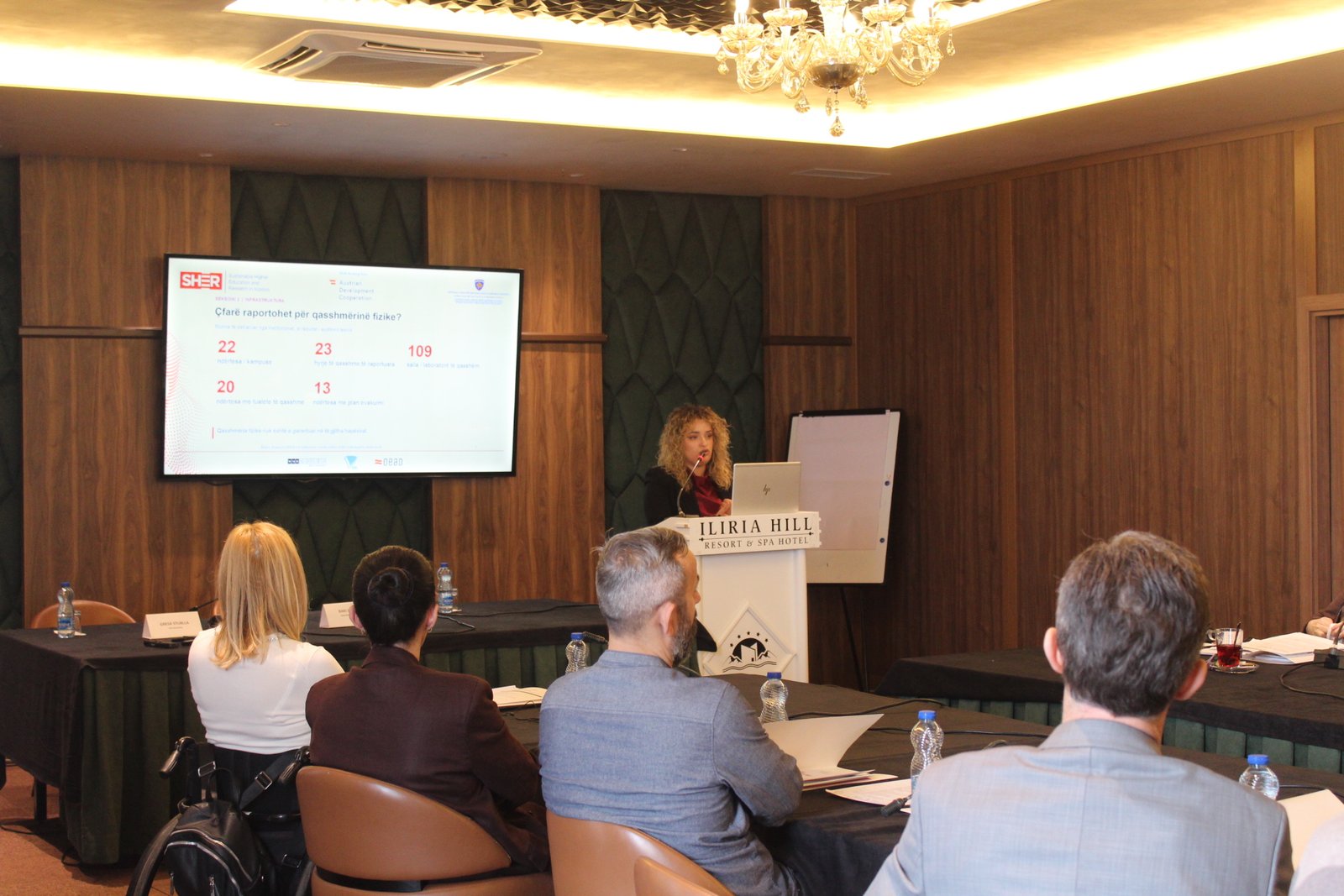
The workshop opened with welcoming remarks by Mr. Bekim Samadraxha, Head of the Division for Quality Assurance in Higher Education at the MES, Ms. Louise Sperl, Head of Projects at WUS Austria; and Ms. Shqiponjë Kodraliu, Programme Officer of the SHER Programme. Their contributions highlighted the importance of strengthening cooperation among relevant institutions and stakeholders to ensure equal opportunities and more inclusive learning environments for students with disabilities. A key contribution to the workshop was delivered by Ms. Gresa Stublla, SHER Programme Expert, who presented the Baseline Assessment on the Inclusion of Persons with Disabilities in Higher Education. The presentation outlined the assessment’s main findings, identified existing institutional and accessibility gaps, and highlighted priority areas requiring further attention and action.
The programme continued with two panel discussions. The first, moderated by Ms. Stublla, focused on “Institutional Frameworks for Inclusion and Support of Students with Disabilities” and explored the role of public institutions, existing legal and policy frameworks, and mechanisms for ensuring institutional support. The discussion featured Mr. Baki Gimolli, Senior Legal Advisor at the Department of Child Protection, Ombudsperson Institution, and Mr. Samadraxha, Head of the Division for Quality Assurance in Higher Education at the MES.
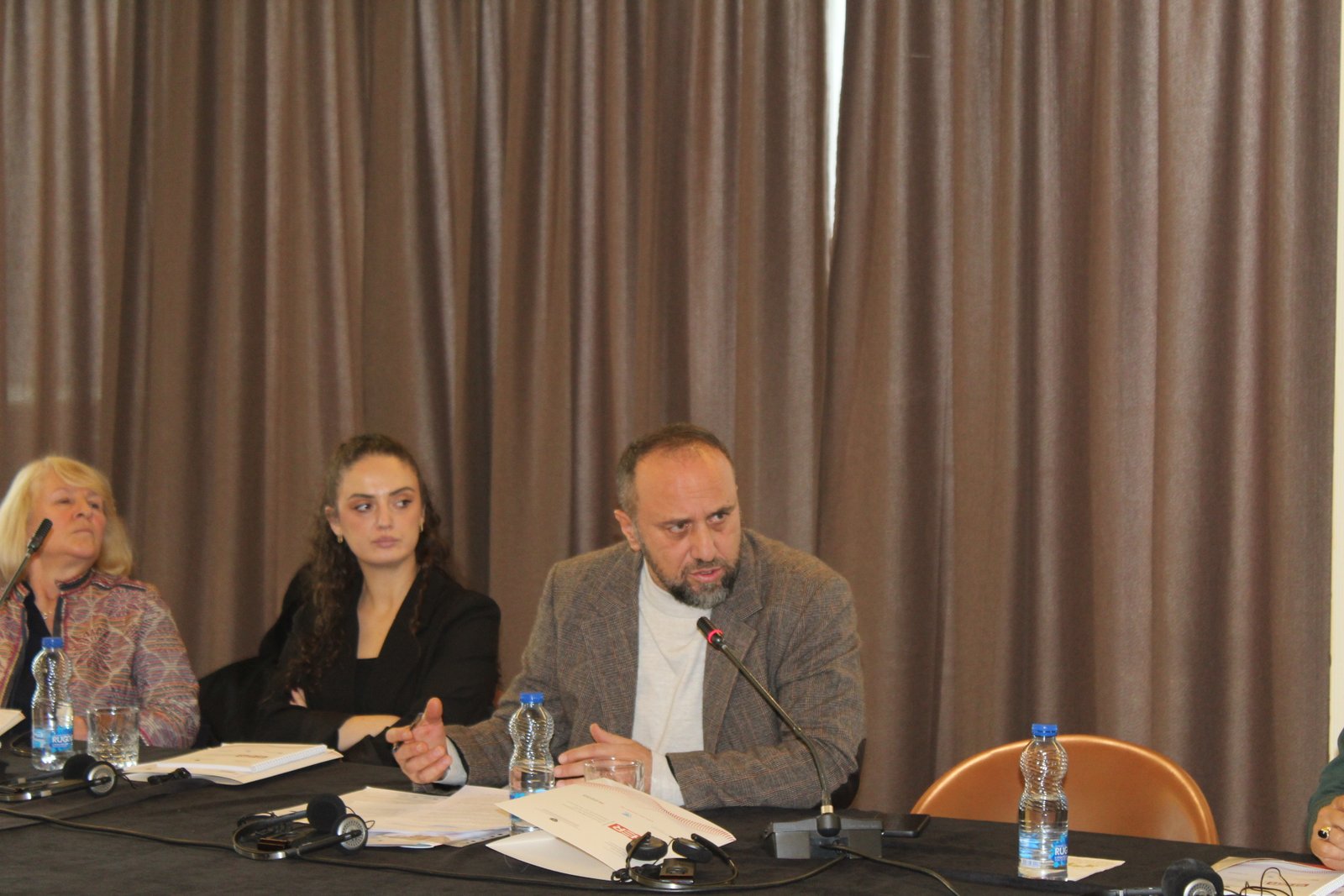
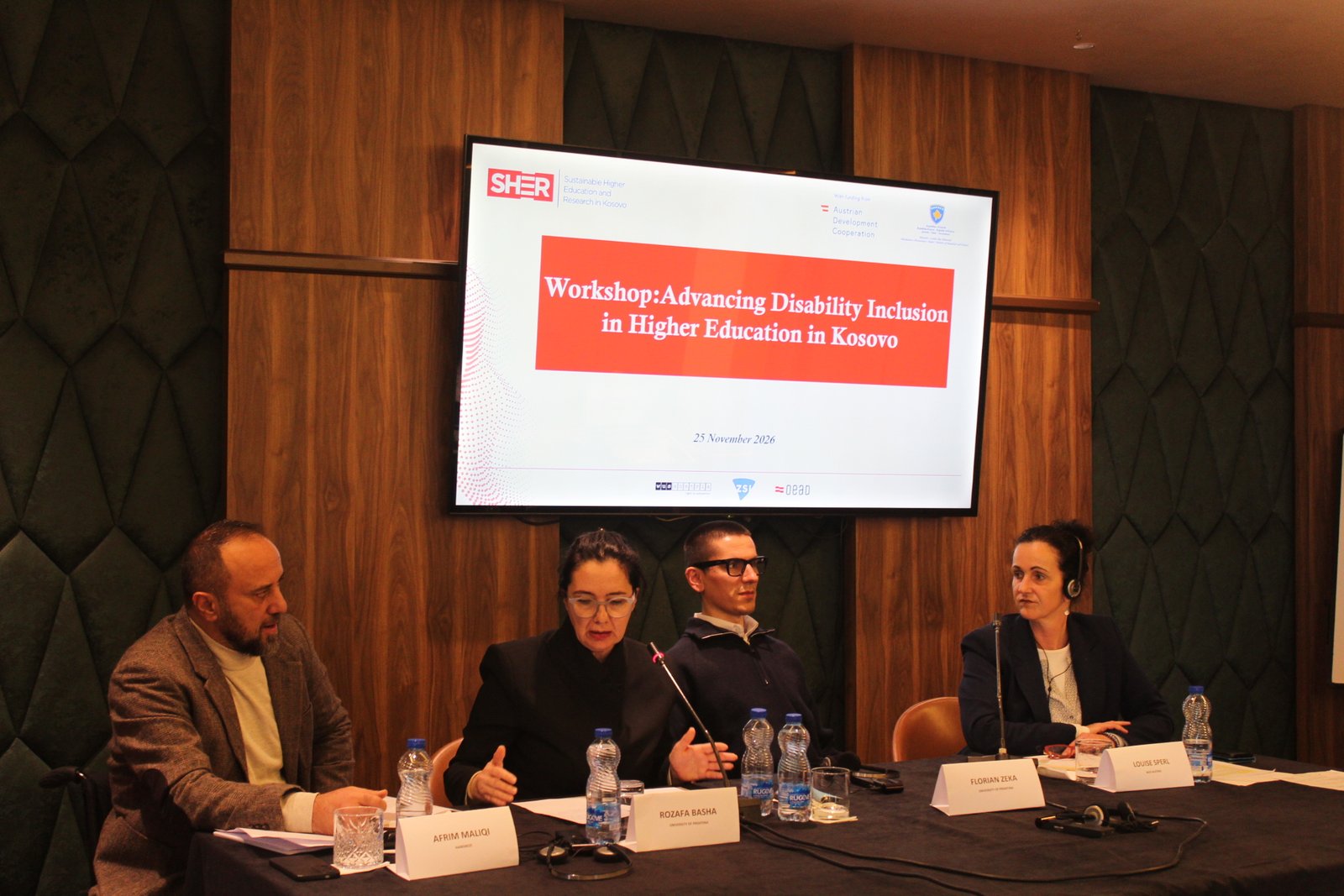
The second panel, moderated by Ms. Sperl, addressed “Accessibility in Higher Education: Standards, Planning and Implementation”, bringing together perspectives from academia, civil society and students. The panelists included Ms. Rozafa Basha, Vice-Rector for Internationalisation and Academic Exchange at the University of Prishtina; Afrim Maliqi, Executive Director of HANDIKOS; and Florian Zeka, a student with a disability at the University of Prishtina. The discussion highlighted the importance of translating accessibility standards and commitments into practical measures, while ensuring that the experiences and needs of students with disabilities are meaningfully reflected in institutional planning and decision-making.
The workshop was highly appreciated by participants, who emphasised the importance of strengthening efforts towards disability inclusion in higher education. The discussions also reinforced the need for closer institutional cooperation, improved accessibility, effective support mechanisms and a more systematic approach to removing barriers faced by students with disabilities.

The programme “Sustainable Higher Education and Research in Kosovo (SHER)” aims at contributing to a sustainable, evidence-based, needs-oriented and gender-responsive Higher Education and Research sector in Kosovo